Who Owns Your AI Transformation?
IT, Marketing, and Operations can all claim ownership of your AI strategy. Committees claim nothing. The right owner is defined by what they can see, connect, and serve.



IT, Marketing, and Operations can all claim ownership of your AI strategy. Committees claim nothing. The right owner is defined by what they can see, connect, and serve.
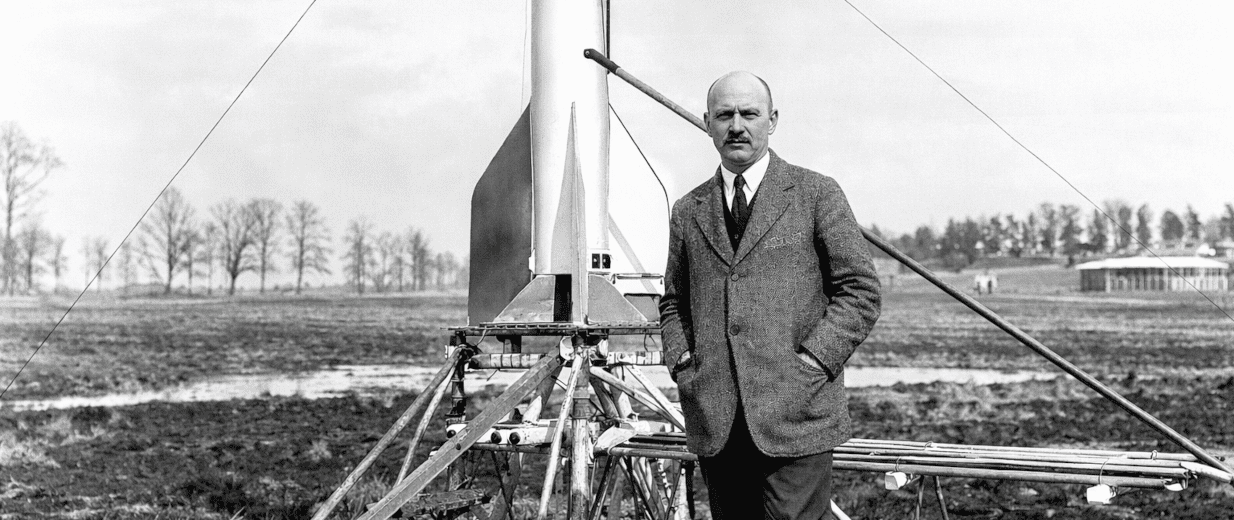
Most AI innovation programs produce demos, not results. The environment that actually ships sits between the sandbox and the cowboy - and it requires judgment, not just enthusiasm.

Most teams respond to AI with tactics - a demo here, a pilot there. Strategic thinking is a skill that can be taught, starting with three deceptively simple questions.
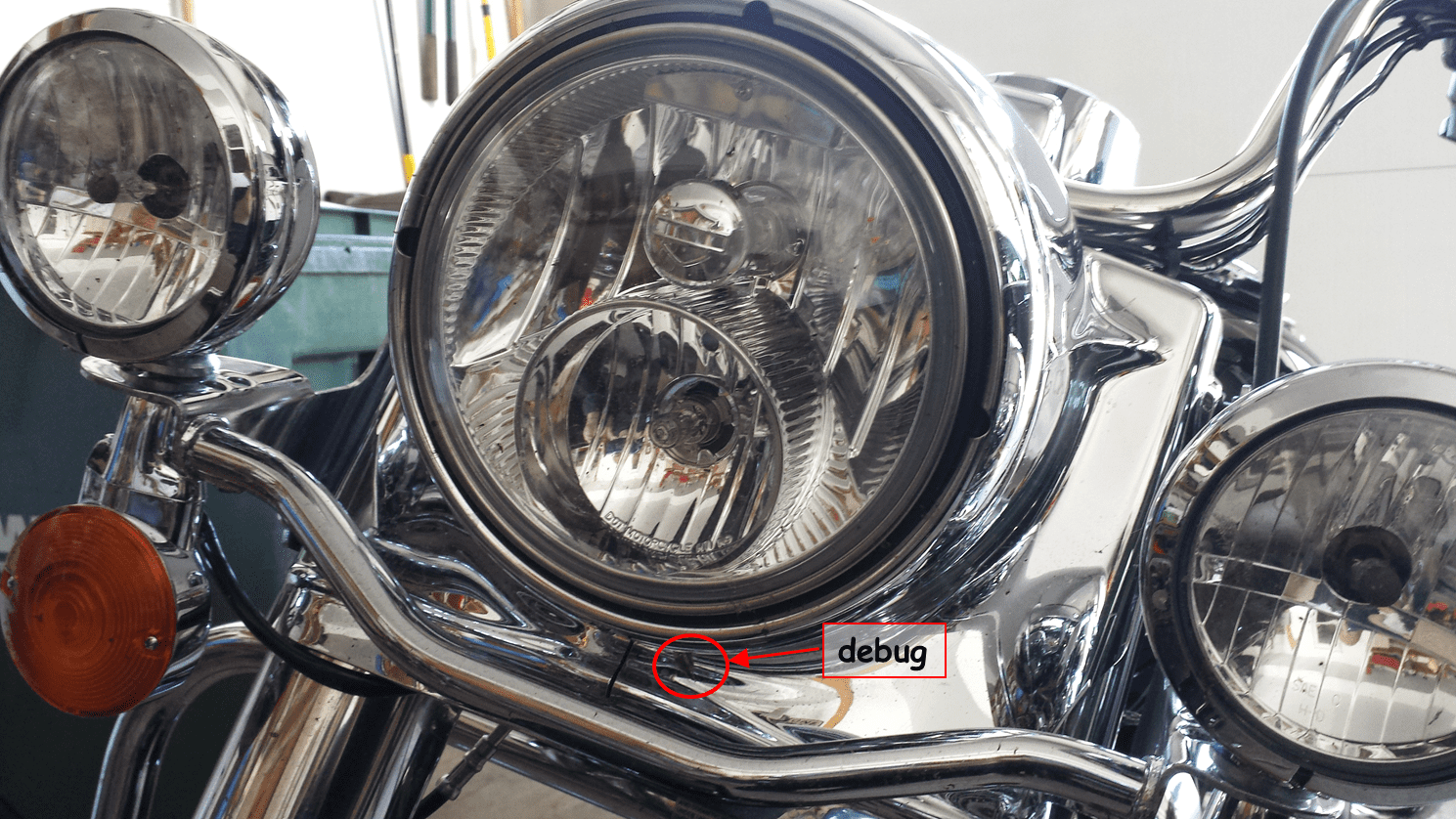
Experience replaces feelings with competence. That's its job - but it costs you the emotional memory your team needs you to have right now about AI.

The gap between knowing a job and understanding it has been invisible for decades. AI is about to make it the most important distinction on your team.

Everyone wants to jump straight to the AI tools. But real AI transformation starts with understanding why your business needs to change - and what success looks like before you write a single prompt.
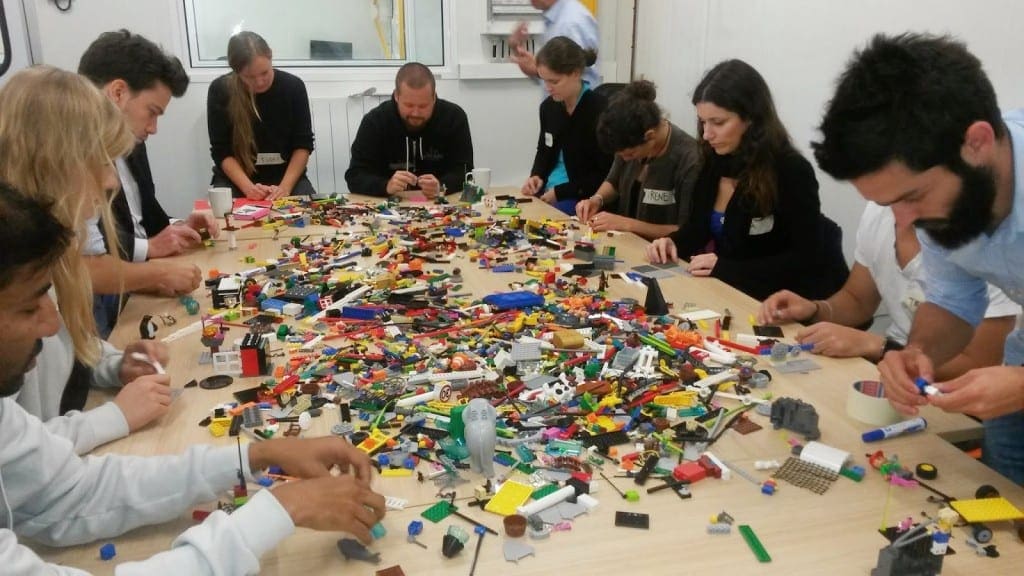
The real AI skills gap isn't about finding data scientists. It's about bridging the gap between people who hoard knowledge and people who need it, between employees protecting their value and organizations that need teams to work differently.

Every technology project comes down to two things: getting information into systems or getting information out. Understanding this pattern changes how you approach digital transformation - and determines whether AI creates value or just complexity.

That $2M IoT investment isn't failing because of technology. It's failing because your operational data is fragmented and your customer intelligence is siloed. Here's how the companies who actually succeed approach product intelligence.

Industrial B2B companies know more about their customers than Amazon ever could - what they manufacture, how their production runs, when equipment needs service. The problem? That intelligence is trapped in systems designed to process transactions, not generate insights.